
Seasonal Crop Credit and Insurance
Seasonal Crop Credit refers to short-term financing provided to farmers to cover expenses related to a specific growing season. This type of credit is designed to address the cyclical nature of agricultural production, where farmers require funds at certain times of the year for inputs such as seeds, fertilizers, pesticides, labor, and equipment rental. Seasonal Crop Credit typically offers flexible repayment terms aligned with the timing of crop cycles and expected cash flows, allowing farmers to access the funds they need to invest in their crops and manage their operations effectively.
Crop Insurance, on the other hand, is a risk management tool that provides financial protection to farmers against losses incurred due to factors beyond their control, such as adverse weather conditions, pests, diseases, or market fluctuations. Crop insurance policies compensate farmers for eligible losses, helping to offset the financial impact of crop failures or yield reductions. The coverage and terms of crop insurance policies may vary depending on factors such as the type of crop, location, and level of risk, with premiums typically based on factors such as historical yields, crop prices, and the level of coverage selected by the farmer.
In summary, Seasonal Crop Credit provides farmers with access to short-term financing to meet the expenses of a specific growing season, while Crop Insurance offers financial protection against losses resulting from unforeseen events or risks that could impact crop yields or revenues. These two financial tools are essential components of risk management and financial planning for agricultural producers, helping to safeguard their livelihoods and ensure the sustainability of their operations.

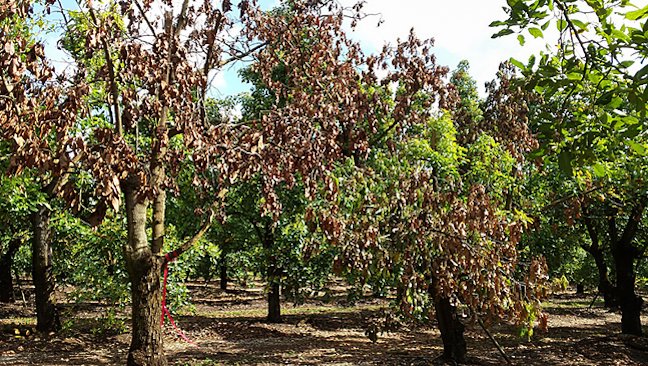
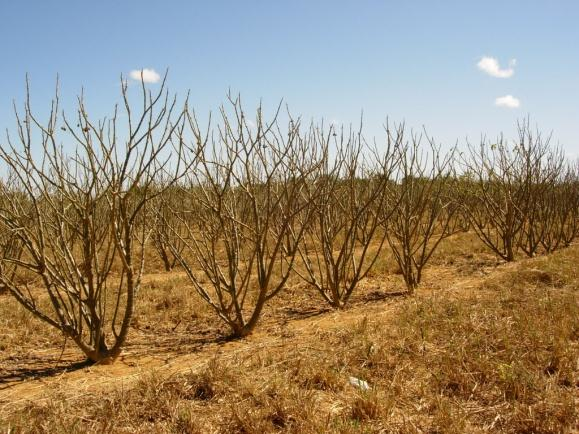
Mitigate loses caused by unpredictable Weather and Natural calamities
Insure Your crops and get compensated when such calamities occur
Modern Farming Need Smart Decisions
The cooperative society can apply Seasonal Crop Credit and Insurance as a service to members by implementing the following strategies:
-
Seasonal Crop Credit: Offer short-term loans to members specifically tailored to the seasonal nature of crop production. These loans can cover expenses such as seeds, fertilizers, pesticides, labor, and equipment rentals during planting and harvesting seasons. Flexible repayment terms should be provided, aligning with the timing of crop cycles and expected cash flows.
-
Insurance Coverage: Facilitate access to crop insurance schemes that provide financial protection to members against losses due to adverse weather events, pests, diseases, or market fluctuations. Collaborate with insurance providers to offer affordable premiums and comprehensive coverage options tailored to the specific risks faced by different crops and farming practices.
-
Risk Assessment and Management: Conduct risk assessments to identify potential threats to crop production and develop strategies to mitigate these risks. This may involve promoting diversification of crops, implementing agronomic practices to enhance resilience, and providing training on risk management techniques to farmers.
-
Technical Assistance: Offer technical assistance and extension services to members to improve crop management practices, optimize yields, and reduce vulnerabilities to external risks. This may include training on climate-smart agriculture, integrated pest management, soil conservation, and water efficiency.
-
Monitoring and Advisory Services: Establish monitoring systems to track crop performance, weather patterns, and market trends, providing timely information and advisory services to members. This enables proactive decision-making and risk mitigation strategies based on real-time data and market intelligence.
-
Collaboration with Financial Institutions: Partner with financial institutions to leverage their expertise and resources in providing seasonal crop credit and insurance services to members. This collaboration can help streamline loan disbursement, claims processing, and risk assessment procedures, enhancing the efficiency and effectiveness of these services.
-
Promotion of Collective Action: Encourage collective action among members to pool resources, share risks, and support each other during challenging seasons. Establish farmer groups or cooperatives within the cooperative society to facilitate mutual assistance, knowledge exchange, and solidarity in times of need.